Navigate Your
HRV
atlas
Heart Rate Variability (HRV) measures the subtle variation in time between heartbeats.

Statistics about HRV
HRV is not just about heart rate
HRV tracks timing between beats, not beats per minute. It reflects nervous system balance, stress, and recovery. Higher HRV signals better adaptability and resilience.
Nervous System Signal
It reflects the balance between sympathetic and parasympathetic activity.
Higher ≠ Faster
High HRV doesn’t mean a fast heart, just a responsive one.
Recovery Marker
Athletes use HRV to gauge readiness and avoid overtraining.

Stress Sensitive
Mental stress can lower HRV even without physical exertion.
Sleep Dependent
Poor sleep often shows up as reduced HRV the next day.
Highly Individual
HRV baselines vary widely between people—trends matter more than comparisons.
Age-Related Decline
Average HRV gradually decreases with age.
Training Adaptation
Consistent aerobic training can increase baseline HRV over time.
Illness Indicator
Sudden HRV drops can precede sickness or inflammation.
HRV and Biometrics
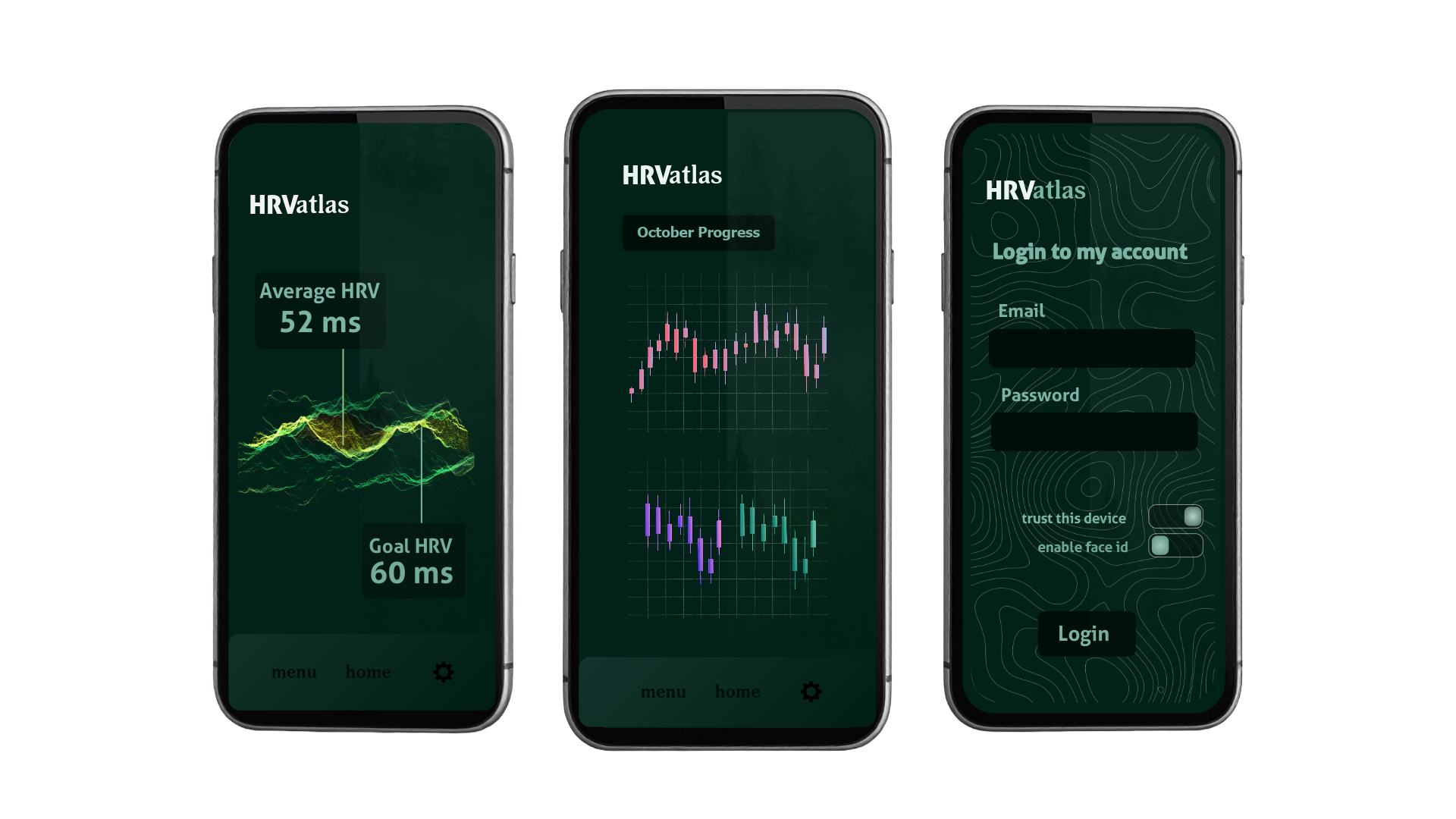
Apps and smart watches can track HRV.
- 1
Breath-Linked HRV
Slow, controlled breathing can temporarily raise HRV.
- 2
Alcohol Effect
Even small amounts of alcohol often suppress HRV during sleep.
- 3
Long-Term Trend Tool
HRV is most powerful when tracked over weeks or months.